Mobile vs Display vs Kiosk: Choosing the Right Guest Touchpoints
A practical comparison of digital guest touchpoints — when to use mobile, when digital display screens add the most value, and when kiosks are the right investment.
By GuestWire Editorial Team
Table of Contents
Digital guest experiences are not one-size-fits-all. A vacation rental with a few properties has different touchpoint needs than a 200-room resort. A music festival has different digital priorities than a boutique hotel. Understanding the strengths and appropriate use cases for each type of digital touchpoint helps hospitality operators make informed decisions about where to invest.
The Three Primary Digital Touchpoints
Most digital guest experiences are delivered through three primary channel types: mobile, digital displays, and kiosks. Each has distinct characteristics, appropriate use cases, and investment profiles. Understanding each helps you build the right touchpoint strategy for your operation.
Mobile Guest Experiences
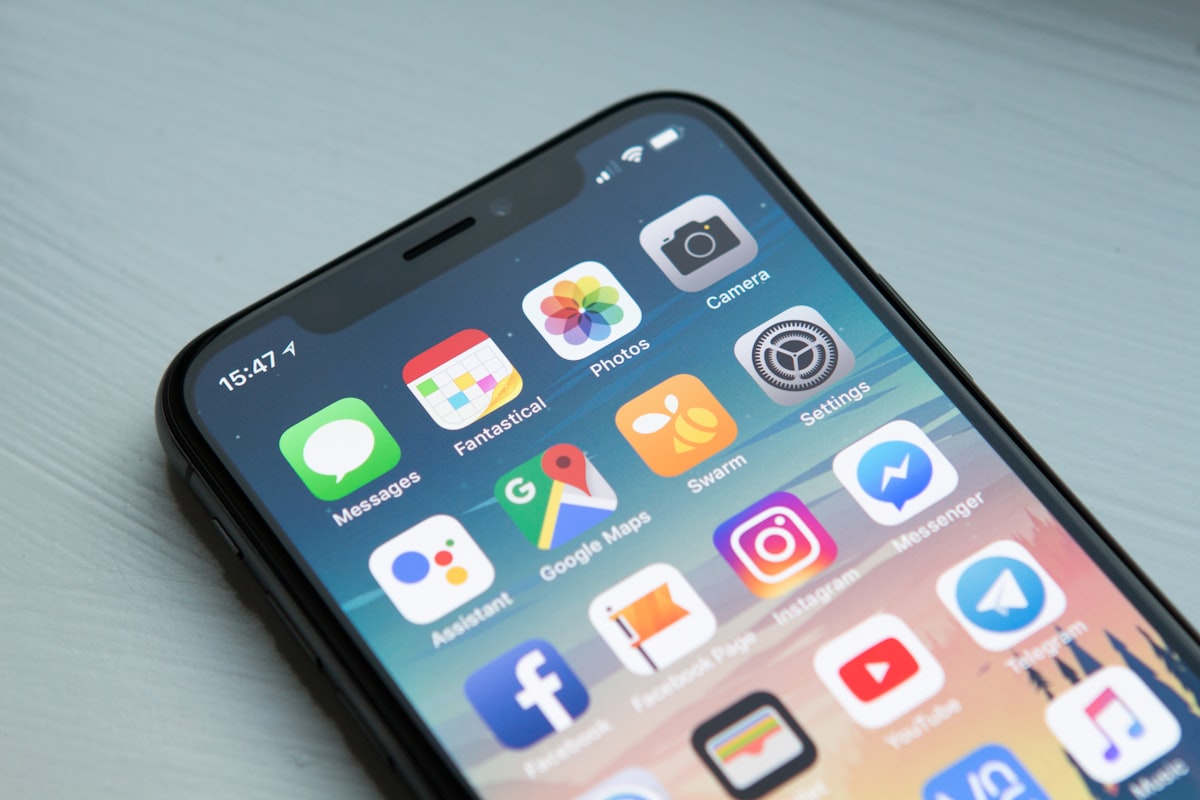
Mobile is the dominant guest touchpoint for in-stay digital experiences. Guests carry their phones everywhere, and mobile-accessible content (via QR code or shared link) requires no hardware investment on the property side.
Strengths of Mobile
- Zero hardware cost — guests bring their own device
- Accessible anywhere on the property without physical proximity to a screen
- Ideal for personal, detailed content: property guides, local recommendations, FAQ
- Can integrate with communication channels (SMS, email links)
- Works for pre-arrival and post-stay content as well as in-stay
- No app download required with web-based platforms
Best For
Vacation rentals, boutique hotels, B&Bs, short-term rental hosts, and any property where guests primarily engage with information privately on their personal devices. Mobile is the right starting point for virtually every hospitality operation.
Limitations
Mobile experiences require guest action — guests must scan a QR code or open a link. They are not ambient (guests don't see them unless actively looking) and are less effective for communicating real-time, time-sensitive information to guests who are not actively checking their phones.
Digital Display Experiences
Digital displays — lobby screens, in-room TVs, corridor monitors, outdoor signage — are ambient touchpoints. Guests encounter them without taking any action. This makes displays powerful for passive brand reinforcement, time-sensitive information, and atmosphere creation.
Strengths of Displays
- Ambient — guests encounter them without active engagement
- Excellent for real-time and time-sensitive information (events, weather, check-in queues)
- Strong for brand reinforcement and atmosphere creation
- High visibility in lobbies, corridors, and common areas
- Effective for promotions, upsells, and operational announcements
- Can serve as welcome messaging for arriving guests
Best For
Hotels, resorts, larger vacation rental properties with common areas, event venues, restaurants, and any space with significant foot traffic where ambient information delivery adds value.
Limitations
Displays require hardware investment and installation. Content must be digestible at a glance — displays are poor for detailed information that requires sustained reading. They also require content management to ensure accuracy and relevance.
Kiosk Experiences
Kiosks are interactive self-service terminals that allow guests to complete tasks — checking in, looking up information, requesting services, or processing transactions — without staff involvement. They combine the interaction depth of mobile with the physical presence and visibility of a display.
Strengths of Kiosks
- Enables self-service check-in and checkout without staff involvement
- Supports transaction processing (room upgrades, food orders, service requests)
- Highly visible and accessible in physical spaces
- Reduces front desk wait times during peak check-in periods
- Valuable for operations that want to reduce staffing requirements
Best For
Hotels and resorts with high check-in volumes, vacation rental management offices serving multiple properties, resort communities, and businesses with significant self-service transaction needs.
Limitations
Kiosks are the most significant hardware investment of the three touchpoint types. They require maintenance, software management, and physical space. For most vacation rentals and boutique properties, kiosks are unnecessary — mobile provides the same functionality with far less investment.
Choosing the Right Mix for Your Property
The right touchpoint strategy depends on your property type, guest volume, and operational goals:
Vacation Rental / Boutique Property
- Mobile: Essential
- Displays: Optional (lobby/common areas only)
- Kiosks: Rarely needed
- Start with mobile — it delivers 90% of the value at the lowest cost
Hotel / Resort / Enterprise
- Mobile: Essential
- Displays: High value in lobbies and common areas
- Kiosks: Valuable for high-volume check-in operations
- Multi-touchpoint strategy justified by volume and budget
GuestWire Technologies builds platforms that support all three touchpoint types — starting with mobile for every property type, with displays and kiosk capabilities available as operations scale through GuestWire Enterprise and the CORE™ platform.
Frequently Asked Questions
Topics
Ready to Deliver Better Guest Experiences?
GuestWire Technologies builds digital guest experience platforms for vacation rentals, hotels, events, and communities — powered by CORE™, the experience orchestration engine.
Explore GuestWire Vacation